
How to Hang Curtains High Enough to Make Your Ceilings Look Taller
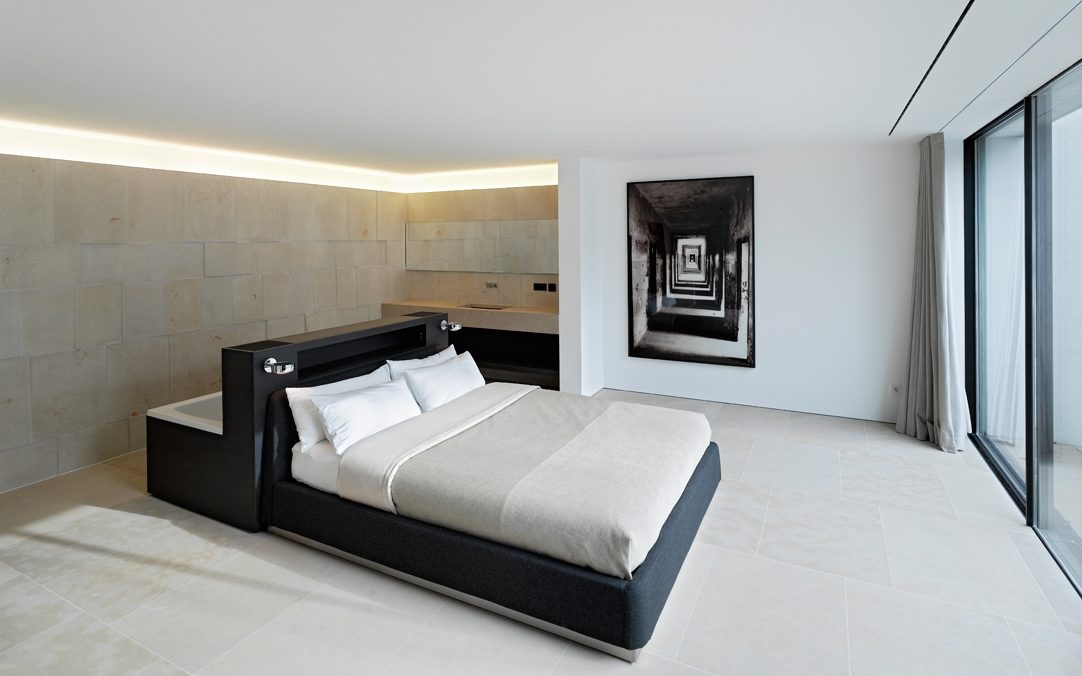
One of the most common mistakes in home decorating has nothing to do with color or furniture style. It is hanging curtains directly above the window frame. This simple error chops your walls in half visually, making ceilings feel lower and windows appear smaller than they actually are. The good news is that fixing this requires no special tools or expensive materials, just a change in where you place the curtain rod.
The Four-to-Six Inch Rule
As a general starting point, mount your curtain rod between four and six inches above the top of your window frame. This small shift draws the eye upward and creates the illusion of taller windows. If you have standard eight-foot ceilings, aim for the higher end of that range, placing the rod about six inches above the trim.
For rooms with nine-foot or higher ceilings, you can push this further. Consider mounting the rod halfway between the top of the window frame and the ceiling, or even closer to the crown molding. The goal is to make the window feel like it extends much higher than it actually does, which in turn makes the entire room feel more spacious.
Width Matters Just as Much as Height
Height is only half the battle. To avoid that cramped, skimpy look, extend your curtain rod eight to twelve inches past each side of the window frame. This allows the curtains to stack back on the wall rather than blocking the glass when open. When curtains cover only wall space and not window space, maximum light enters the room and the window appears larger.
When measuring for your rod, mark the wall at your desired height, then measure outward from the window trim to determine the total rod length. If you have limited wall space due to corners or adjacent doors, extend as far as you can while maintaining balance.
Choosing the Right Curtain Length
Once the rod is positioned correctly, curtain length becomes crucial. The fabric should just kiss the floor or hover no more than a half-inch above it. High-water curtains break the vertical line you just created and ruin the elongated effect. If you prefer a more romantic, traditional look, add two to four extra inches of fabric to create a slight puddle on the floor. Avoid excessive pooling in high-traffic areas or homes with pets, as the fabric will get dirty quickly.
Common Mistakes to Avoid
- Ignoring architectural features. Before drilling, check for crown molding, air vents, or heating elements that might interfere with curtain placement.
- Using rods that are too thin. A flimsy rod will sag in the middle once heavy fabric is added. Choose a diameter of at least one inch for substantial materials like velvet or lined drapes.
- Blocking radiators. If you have baseboard heat directly beneath the window, ensure curtains stop above the heat source for safety and efficiency.
- Forgetting to account for curtain rings. If using rings with clips, factor in their drop length when calculating final curtain height.
Special Cases
If you have very low ceilings, say under seven and a half feet, mount the rod as close to the ceiling as possible and use floor-to-ceiling curtains even if the window stops at normal height. This single vertical line creates dramatic height. For extremely tall windows that already reach near the ceiling, maintain the four-to-six inch rule above the frame unless you plan to install a valance or cornice board that sits directly on the ceiling.
Taking the time to measure twice and mount high will transform how your room feels. The curtains will frame the window properly rather than boxing it in, and the extra vertical emphasis makes even modest rooms feel grander and more intentional.